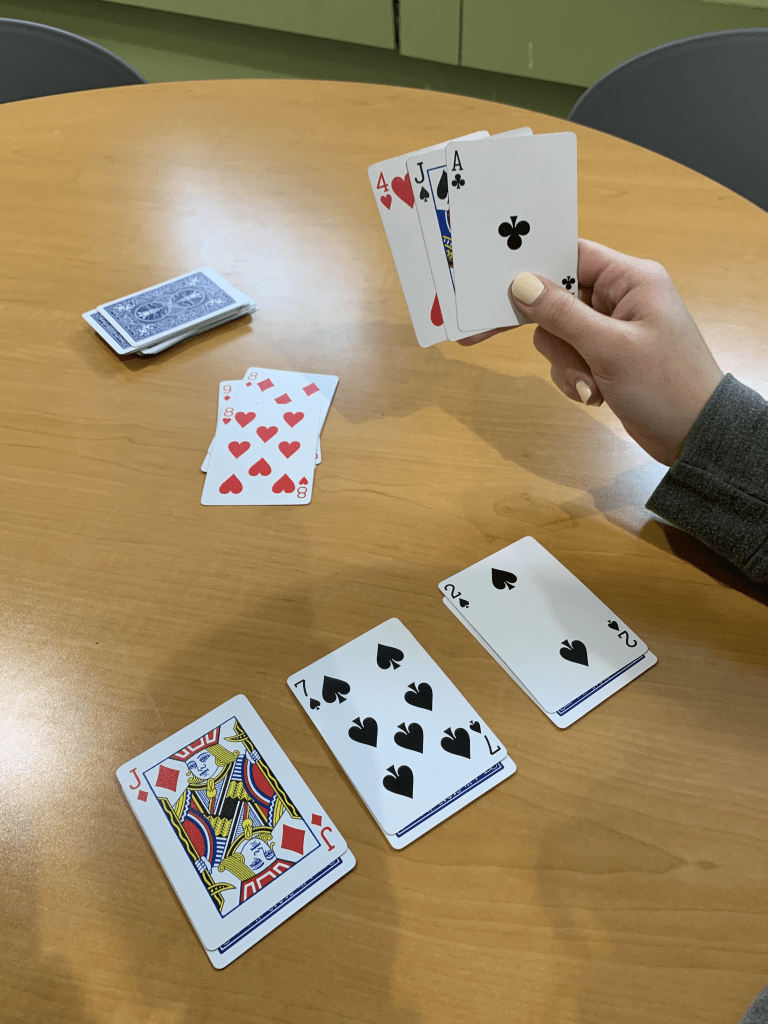
Card games are a universal form of entertainment. Nearly every culture around the world has developed its own versions of card games, some rooted bila2cuci in ancient traditions, others in modern innovation. These games often reflect local customs, values, and styles of play. In this article, we explore the most popular card games across different countries and regions, giving you a global tour of how people enjoy playing cards.
- Poker – United States and Global
Poker, particularly Texas Hold’em, is arguably the most globally recognized card game. Originally gaining traction in the United States, Poker has become a worldwide phenomenon thanks to television, online gaming, and professional tournaments.
Why It’s Popular: Poker combines strategy, psychology, and luck. Its accessibility and the thrill of bluffing make it appealing across cultures.
Fun Fact: The World Series of Poker (WSOP) is the most prestigious poker tournament globally, with players from over 100 countries.
- Bridge – United Kingdom and Europe
Bridge is a classic game with deep roots in European culture, especially in the UK. Known for its complexity and strategic depth, Bridge is played socially and competitively in clubs and international tournaments.
Why It’s Popular: It’s intellectually challenging and fosters teamwork, as it’s played in pairs.
Fun Fact: Bridge is considered a “mind sport” and has its own international federation (WBF).
- Rummy – India
Rummy is incredibly popular in India and comes in many forms, with Indian Rummy (13-card Rummy) being the most common. The game requires players to form sequences and sets from their hand.
Why It’s Popular: It’s simple to learn but strategic, and often played during festivals and family gatherings.
Fun Fact: Online Rummy platforms are booming in India, with millions of daily players.
- Scopa – Italy
Scopa is a traditional Italian card game that dates back centuries. Played with a 40-card Italian deck, players aim to “sweep” cards from the table by matching values.
Why It’s Popular: It’s a fast, interactive game with historical and cultural significance in Italy.
Fun Fact: The game’s name means “broom” in Italian, reflecting the act of sweeping the table.
- Durak – Russia
Durak, meaning “fool” in Russian, is one of the most popular card games in Russia and post-Soviet countries. The last player with cards is the “durak,” or the loser.
Why It’s Popular: The rules are easy to learn, and gameplay is fast and engaging.
Fun Fact: There is no winner in Durak—only a loser, which adds a unique psychological twist.
- President – Japan, Korea, and France
Known by many names, including Daifugo in Japan and Président in France, this social card game is popular among youth. Players aim to get rid of all their cards, and hierarchy is created based on performance.
Why It’s Popular: It’s fast-paced and allows for playful competitiveness.
Fun Fact: In Korea, the lowest-ranked player must serve the President drinks in some social settings—a fun twist on the game!
- Belote – France
Belote is a strategic trick-taking game that’s almost a national pastime in France. It is often played in pairs and is a staple in French cafes and gatherings.
Why It’s Popular: Combines luck and strategy and has a strong social component.
Fun Fact: There are national Belote tournaments held across France each year.
- Truco – Argentina and Brazil
Truco is a dynamic and lively game played with a Spanish or Brazilian deck. It involves a lot of bluffing and is filled with shouting and dramatic gestures.
Why It’s Popular: It’s fun, theatrical, and perfect for social gatherings.
Fun Fact: The game’s style varies significantly between countries—Brazilian Truco and Argentine Truco differ in rules and energy.
- Skat – Germany
Skat is the national card game of Germany, known for its depth and complexity. Played with three players, one becomes the soloist playing against the other two.
Why It’s Popular: It’s highly strategic and considered one of the most intellectually demanding card games.
Fun Fact: There’s even a German Skat Court that rules on disputes in the rules of the game.
- Seep (or Sweep) – Pakistan
Seep is a popular game in Pakistan that involves capturing cards from the table, usually played with the goal of collecting the highest points.
Why It’s Popular: It’s engaging, easy to learn, and deeply rooted in family traditions.
Fun Fact: The game is often passed down through generations and is a staple at family get-togethers.
Conclusion
Card games transcend borders, languages, and cultures, offering entertainment and social bonding across the globe. From Poker in the United States to Truco in South America, each card game carries a unique flavor of its homeland. Exploring these popular games not only gives you new ways to enjoy playing cards but also offers insight into the world’s diverse gaming traditions. Next time you shuffle a deck, consider trying a card game from a different part of the world—you might just discover a new favorite.
 Site Title